
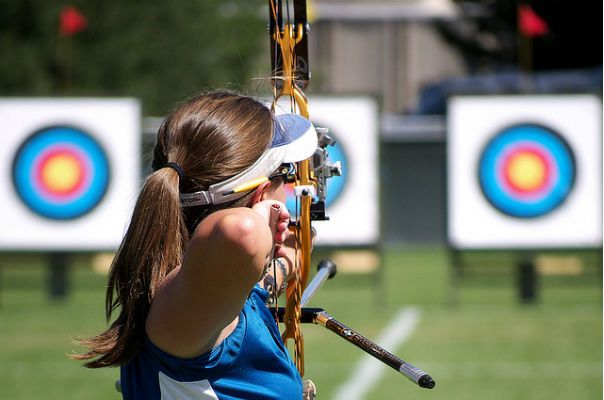
What’s the best recurve bow for beginners? This is one of the most common questions that I get asked by people who are looking to get into archery, especially beginners. Samick Sage Takedown Recurve bow is the best recurve bow for beginner .It is smototh fast bow more stable and more durable and lightweight . Samick sage was easy to assemble and get set up.
Archery is an exciting and rewarding sport, whether you’re just starting or aiming for the thrill of hunting. So, selecting the right recurve bow is essential for an enjoyable experience
As a result, You have to consider and think a lot of things when going to your first recurve bow and. The bows have different sizes, weights, styles, and different features.
If you are looking for best recurve bow for beginners, You should know the details. This guide helps you choose the best recurve bow for beginners and the best recurve bow for hunting, ensuring a perfect match for your goals.
Why Do Most Beginners Choose the Wrong Recurve Bow?
You’ve probably watched hours of archery videos. You’ve seen people hitting bullseyes at insane distances with smooth, elegant recurve bows. And now you’re thinking: “I want to start archery… but which bow should I actually buy?”
Then reality hits.
You search “best recurve bow for beginners” and suddenly you’re drowning in confusing specs like draw weight, brace height, takedown limbs, AMO length, fiberglass risers, and carbon arrows. Every product claims to be “perfect for beginners,” yet they all look the same.
So, you hesitate. And that hesitation is where most beginners fail.
Because, here’s the truth most websites won’t tell you:
Most beginners don’t fail because of talent. They fail because they buy the wrong bow.
I’m Cristina Sara, an outdoor archery instructor and gear tester with over 10 years of field experience testing bows in real outdoor environments—from controlled range shooting to windy hillside sessions. I’ve personally tested dozens of beginner recurve bows, and I’ve seen what works… and what causes frustration, inconsistency, and even injury risk.
This guide is designed to solve one problem: How to choose the best recurve bow for beginners.
Deep Dive: Understanding Beginner Recurve Bows
Now buying a best recurve bow might seem like a very simple endeavor, you go to Google, type in an archery bow, and find the most reviewed and most popular, and cheapest bow you can find. However, this isn’t necessarily the best idea. You must check everything before buying the best recurve bow .
While you might get a functional usable bow, often by rushing into a purchase without doing the proper research you get improper equipment.
Not only does this waste time and money, but it may also tarnish your first experience of archery. So before you click the “buy it now” button, you need to understand that there are many types of bows you can get and some bows may appeal to you more than others.
Here I am going to describe the details of the best recurve bow for beginners like history, feathers, parts of it, buyers guide, and a short review of recurve bow that will help you to choose the best recurve bow as a beginner.
As you are a beginner , so you must know about the types of archery first .
Types of Bows
There are many types of bow in the market. Of them the most popular bows are
- Recurve Bow
- Compound Bow
- Fiberglass Bow
- Crossbow
- LongBow
- Recurve Bow
Now we move on to the most common type of bow, the recurve bow. Recurve bows are best recurve bows for beginners and they’re used by clubs and ranges to teach new archers. They’re easy to learn with and are very generic in design.
What is a recurve bow?
A Recurve bow is a bow whose limbs extend away from the archer when aligned. This kind of bow stores more energy and generates energy more efficiently than the straight equivalent bow, resulting in more energy because of its unique shape and boom speed. A recurve bow is a self-reliant hunting bow that you can use, abandoning modern technology.
When you pull the string of the bow, your muscles apply force to the rope, bending your muscles. The more you deform a limb, pulling it back, the more the force increases, increasing the stored potential energy. It may make more noise when shooting.
In ancient times people used this kind of bow for hunting. Recurve bow is one of the most traditional and earliest bows in the world. In the modern age, people are using Recurve
bow in Hunting, 3D Archery, target Acs, and other competitive games.So recurve bow is the best archery bow for beginners.
There are more specialized kinds of recurve bows, for example, there are target bows otherwise known as Olympic recurves. People who are looking for best olympic recurve bow for beginner can choose this kind of bow.
There are also hunting recurves. These are usually designed to be more practical in the field, being smaller and more compact. Often these are made to be aesthetically pleasing and comfortable to handle.
Parts of a Recurve Bow :
These bows are divided into three main parts. They are-
- Riser– the base of the bow, from which the rest of the bow is made.
- Limbs– curve towards the archer and the end edge curved in the opposite direction from the archer.
- Bowstring– joins the two ends of the bow and launches the arrow.
Pros & Cons of Recurve Bows
✅ Pros:
- Traditional Feel: Recurve bows offer an authentic archery experience, used by hunters and competitive archers alike.
- Great for Learning: They encourage proper form and technique without mechanical assistance.
- Affordable: Entry-level models are budget-friendly, and many hunting-grade options are reasonably priced.
- Versatile: Suitable for both target practice and hunting with the right draw weight.
- Easy to Upgrade: Many models allow for limb replacements, enabling archers to increase draw weight as they progress.
❌ Cons:
- Requires More Strength: Unlike compound bows, recurve bows require holding the full draw weight, making hunting shots more challenging.
- Steeper Learning Curve: Achieving accuracy necessitates dedicated practice and patience.
Pricing: How Much Should You Spend?
| Price Range | Features | Best For |
| $100 – $150 | Basic takedown recurve bows, wooden risers | Casual practice |
| $150 – $250 | Enhanced build quality, interchangeable limbs | Long-term learning, beginner hunters |
| $250 – $300+ | Competition-ready, superior accuracy, hunting-ready draw weights | Advanced beginners & hunters |
Different Recurve Bows by Customer Needs
Find the top-rated recurve bows based on different needs:
- Best Recurve Bow for Competition – High-precision bows ideal for tournaments.
- Best Traditional Recurve Bow – Classic models designed for a more historical experience. Designed for archers who appreciate the roots of the sport, traditional bows offer an authentic, historical experience
- Durability and Quality – For durability and quality, the best takedown recurve bow made in the USA is a top pick. These bows are crafted with precision and durability in mind, making them ideal for serious archers who want a bow that will last
Tips for Beginners & Hunters
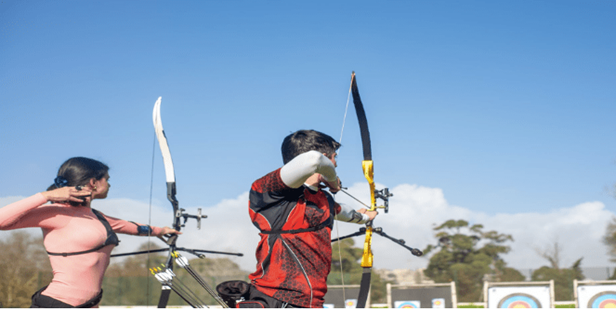
Consider the following factors when buying a recurve bow:
- Draw Weight: Beginners should start with 15-25 lbs for practice. For hunting, 40+ lbs is recommended to ensure ethical kills.
- Bow Length: A bow length of 62″ to 68″ suits most adults for stability and control.
Hand Orientation: Choose a bow that matches your dominant eye and hand orientation for better accuracy.
- Start with a Low Draw Weight: Avoid muscle strain and focus on technique.
- Use Protective Gear: Armguards and finger tabs can prevent injuries.
- Practice Regularly: Consistency builds accuracy and confidence.
- For Hunters:
- Use arrows with broadheads for effective hunting.
- Check local hunting regulations before using a recurve bow.
- Practice shooting at different distances to improve accuracy.
| Goal | Recommended Draw Weight | Suggested Bow Models |
| Target /Beginner Practice | 15-25 lbs | Samick Sage, PSE Razorback |
| Hunting | 40+ lbs | Southwest Archery Spyder, Black Hunter Takedown |
| Competitions | 30-40 lbs | Sanlida Noble, Spyder XL |
- Compound Bow
The other common type of bow you will find is compound bow. Compound bows are engineered to be highly precise. They are mechanical in design, with cams and very efficient limbs. They have very high velocities and are made to be used with mechanical release aid and magnifying lenses.
Compound bows tend to be very popular because they are easy to pick up and use, and you can gain a lot of accuracy in a small amount of time. I
t also comes in different variants for target, being larger, heavier, and brighter, and hunting compounds, which are more compact and come in black or camouflage patterns.
Compound bow is another best archery bow option for beginners.
- Fiberglass Bow
Firstly, a special mention goes out to fiberglass bows. These are often labeled as “youth bows“. These are very cheap, the cheapest you can find often being under twenty-five dollars or fifty dollars for a whole set.
Also, these are usually marketed towards young kids, being a very basic design looking like a cheap plastic toy that can be quickly outgrown and they’re not very accurate. These can be tempting for many people as an entry point, but understand that these bows offer very limited development.
.
- Crossbow
There are also crossbows. Now crossbows look really awesome but they are often considered to be separate from archery bows because of their design and function.
Modern crossbows can be used for hunting or sport target shooting, but they may be classified as a weapon in your local area and you may require a license to own them.
Best Recurve Crossbows Easier to shoot accurately but lack the traditional archery experience.
- Longbow
Longbow is one of the most traditional forms of the bow where you have just a curve of a bow shape and there’s no curve coming back. There are many different types of longbows again there is a Japanese bow which is fairly long because it helps to shoot the arrow at a longer distance with very little effort because remember the longer the limbs the less effort you need to put to shoot an arrow out.
Quick Comparison Table: Top 5 Beginner Recurve Bows
| Bow Model | Best For | Draw Weight Range | Build Type | Value Score |
|---|---|---|---|---|
| Samick Sage | Overall beginners | 25–60 lbs (adjustable limbs) | Wood riser takedown | ⭐⭐⭐⭐⭐ |
| Southwest Archery Spyder XL | Lightweight beginners | 20–60 lbs | Aluminum riser takedown | ⭐⭐⭐⭐ |
| Galaxy Sage | Budget + reliability | 25–50 lbs | Wood riser takedown | ⭐⭐⭐⭐⭐ |
| PSE Razorback | Traditional feel lovers | 25–35 lbs | Wood one-piece | ⭐⭐⭐⭐ |
| Black Hunter Bow | Budget beginners | 20–60 lbs | Wood/aluminum hybrid | ⭐⭐⭐⭐ |
Recurve Bow All Features & Buying Guide
When purchasing a recurve bow, it’s important to consider factors like purpose, price, progression, and preference to ensure you select the best bow for your needs.
Traditional archery enthusiasts often seek bows for historical, cultural, or simple enjoyment purposes. The style of shooting you want to pursue—whether for casual practice, competitions, or hunting—will heavily influence your choice of bow.
Purpose:
The first thing to determine when choosing a bow is your purpose. Are you looking for a bow to casually shoot in your backyard, or are you aiming for competitive archery or hunting?
If your goal is Olympic-level competition, a high-performance beginner recurve bow will be needed, but for just having fun, a less expensive and simpler option will suffice. For hunting, certain bows, like a shorter and sturdier recurve, might be more suitable than the longer, target-focused bows used in Olympic competitions.
Price:
Price plays a significant role in your decision-making. A beginner’s recurve bow typically costs around $200. It’s important to remember that a bow isn’t the only cost; you’ll need to budget for arrows, a quiver, a sight, and other accessories. Starting with a budget that is too low can limit your options.
While you may find fiberglass or youth bows for as low as $50, these are best for beginners or young children and won’t offer a serious archery experience. If you’re serious about archery, investing in quality equipment from the start can save money in the long run, as cheaper bows won’t provide as much room to grow in the sport.
Usage Duration:
Consider how long you plan to use the bow. Bows are durable and can last a lifetime with proper care. While you may be tempted to buy a cheaper entry-level bow, upgrading to a more serious bow can provide a better long-term experience.
Many people mistakenly believe they need to start with inexpensive bows before moving on to more advanced options, but this isn’t always necessary. If you’re already practicing with rented equipment or club bows, you may know enough about your needs to make an informed decision.
Preference:
Your personal preference in style and design is crucial. Choose a bow that feels good and looks appealing to you. If you prefer traditional styles, a wooden bow might be more appealing than a modern, high-tech target bow.
In the end, pick the bow that makes you happy and fits your shooting style, as this will keep you motivated and invested in the sport.
Draw Weight:
Draw weight is one of the most important factors in choosing a bow. It determines the power and speed of your shot. Beginners should select a bow with a manageable draw weight that allows them to maintain proper form and accuracy.
A draw weight that is too high can negatively affect your shooting technique. Most adult men use a draw weight between 45 and 70 lbs, while women typically use 26 to 32 lbs. Draw weight can be adjusted by tightening or loosening the limb bolts, making it easy to change as your skills improve.
For beginners, a bow with interchangeable limbs is ideal, as it allows you to increase draw weight as you grow stronger.
Bow Size:
Bow size should match your body size and draw length. To determine the correct bow size, measure the distance from the middle of one hand to the middle of the other hand when stretched out. Divide that number by 2.5 to find your draw length.
From there, refer to a bow size chart to select the correct bow. For example, if your draw length is between 20-22 inches, a 58-inch bow would be ideal. It’s important to get the right size to ensure comfort and better performance.
Bow Weight:
The weight of the bow affects how easy it is to carry and shoot. Beginners should opt for a lighter bow, as heavier bows can cause fatigue and hinder progress.
As a result, A lighter bow allows you to focus on learning proper form without the strain of extra weight. As you improve your technique and strength, you can gradually increase the bow weight.
Bow Power:
The power of the bow determines how fast and accurately the arrow is shot. If you’re shooting over long distances, like in outdoor archery at 70 meters or more, a more powerful bow is beneficial. However, ensure that the bow is still comfortable to use, as overly powerful bows can affect your form.
Durability of Parts:
The main components of a recurve bow include the riser, limbs, string, and accessories like the shaft, fletching, and nock.
When purchasing a bow, check the durability and functionality of each part. You’ll want to make sure the bow is easy to maintain and the components are sturdy. The material used in each part—whether it’s wood, carbon, or aluminum—will impact durability and performance.
Left or Right-Handedness:
It’s crucial to select the correct handedness of the bow. When looking at the riser, if the bowstring is closest to you, it’s a right-handed bow.
If the bowstring is on the opposite side, it’s a left-handed bow. This is an essential factor to consider, as using the wrong-handed bow can affect your shooting experience.
Quality of the String:
The string is an important part of a recurve bow’s performance. Bowstrings can be made from materials like Dacron, Flemish twist, or modern synthetic fibers.
Look for a string that offers durability and performance for your bow. Popular string materials for recurve bows include DynaFLIGHT 97 and BCY-X, which provide strength and speed.
Material of Riser:
The riser, which is the central part of the bow, can be made from wood, carbon, or aluminum. Wood risers are often chosen for their traditional look, while carbon risers are lightweight but may require extra stabilization.
Aluminum risers are durable but tend to be heavier, which could be more suitable for experienced archers than beginners. For beginners, a carbon riser may be the most comfortable.
Limbs:
The limbs of a recurve bow are closely related to the draw weight. As a beginner, you can gradually upgrade your limbs as you gain strength and skill. It’s not necessary to spend a lot on limbs initially, but once you know your preferred draw weight, you can invest in higher-quality limbs for improved performance.
Take-Down Recurve Bow:
Take-down bows are designed for easy disassembly, making them convenient for storage and transport. These bows consist of a riser and interchangeable limbs, allowing you to adjust the bow’s draw weight over time.
If you’re short on space or need a portable option, a take-down bow is a great choice.
Warranty or Durability:
When purchasing your first bow, check the warranty offered by the manufacturer. A good warranty can cover parts like the riser and limbs, especially if they break due to normal use. Some manufacturers offer full or limited warranties for repair or replacement.
Consider purchasing from reputable retailers with positive reviews and strong customer service to ensure a smooth experience in case of issues.
How to Choose Your First Recurve Bow?
Choosing your first bow should be systematic, not emotional.
Follow this checklist:
1: Choose Your Draw Weight
- Start with 20–25 lbs if you are new
- Avoid going above 30 lbs initially
2: Decide Your Bow Type
- Takedown = best for learning and upgrading
- One-piece = traditional experience only
3: Choose Material
- Aluminum riser = stability
- Wood riser = traditional feel
4: Consider Future Growth
Ask yourself:
👉 Will I want to improve and upgrade later?If yes, always choose takedown.
5: Budget Smartly
- Entry level: $80–$120
- Mid range: $120–$200
- Premium beginner: $200+
Don’t overspend, but don’t go too cheap either.
Hands-On Reviews: Top 5 Best Beginner Recurve Bows
1. Samick Sage Recurve Bow
The Samick Sage is widely considered the gold standard for beginner archers, and after testing it extensively, I understand why.
With over 10,000+ user reviews across major marketplaces, it has built a reputation as the “first bow” for thousands of archers worldwide.
When I tested it in field conditions, the first thing I noticed was its balance. It doesn’t fight you. It simply guides your form.
The Good:
- Extremely forgiving for beginners
- Easy limb upgrades (huge long-term advantage)
- Smooth draw cycle
- Reliable build quality
- Widely available accessories
The Bad:
- Slight hand shock on release
- Wood riser feels less premium than aluminum alternatives
- Not ideal for high-speed shooting
Despite those limitations, this is still my top recommendation for most beginners.
2. Southwest Archery Spyder XL
The Spyder XL is a modern evolution of beginner bows, designed with comfort and stability in mind.
With thousands of positive reviews, it has quickly become a strong competitor in the beginner market.
So, During testing, I noticed it has a smoother grip geometry than most entry-level bows, which helps reduce hand fatigue.
The Good:
- Lightweight aluminum riser improves stability
- Very smooth draw cycle
- Excellent for longer practice sessions
- Highly adjustable limb system
The Bad:
- Slightly more expensive than basic beginner bows
- Not as traditional in feel
- Accessories may require upgrades
This bow is ideal if you want a more “modern” beginner experience.
3. Galaxy Sage Recurve Bow
The Galaxy Sage is often called a budget alternative to the Samick Sage.
It shares many structural similarities but comes at a lower price point, making it a strong entry-level choice.
But, In field testing, it performed surprisingly close to higher-end beginner bows.
The Good:
- Affordable price
- Strong build quality for the cost
- Compatible with standard accessories
- Smooth enough for beginners
The Bad:
- Slightly less refined finish
- Minor vibration on release
- Not as durable under heavy long-term use
Still, for budget-conscious beginners, it is a very smart choice.
4. PSE Razorback Recurve Bow
The PSE Razorback is a traditional one-piece recurve bow.
It is not as adjustable as takedown models, but it delivers a very authentic archery experience.
When I tested it, I immediately noticed its smooth traditional draw cycle.
The Good:
- Classic traditional feel
- Very smooth shooting experience
- Durable construction
- Simple and low maintenance
The Bad:
- No limb adjustability
- Not beginner-growth friendly
- Limited customization options
This is best for archers who want tradition over progression.
5. Black Hunter Recurve Bow
The Black Hunter is one of the most popular budget takedown bows on the market.
With thousands of buyers worldwide, it has become a go-to entry point for beginners.
During testing, I found it performs surprisingly well for its price category.
The Good:
- Extremely affordable
- Takedown design for upgrades
- Good stability for beginners
- Wide draw weight range
The Bad:
- Quality control can vary
- Slightly rough finish
- Not as smooth as premium options
So, This is best if you want maximum value on a tight budget.
Best Accessories for Recurve Bows
Enhance your archery experience with these essential accessories:
- Best Recurve String – High-quality strings improve accuracy and reduce vibration.
- Best Recurve Sight – Helps with precision aiming for both target shooting and hunting.
- Best Recurve Bow Sights – Choose between pin sights or target scopes for improved focus.
- Best Arrows for Recurve Bow – Carbon and aluminum arrows offer durability and better performance.
Frequently Asked Questions
1. What is the best draw weight for beginners?
Most beginners should start with 20–25 lbs to build proper form.
2. Is a recurve bow better than a compound bow for beginners?
Recurve bows are better for learning fundamentals, while compound bows are easier for accuracy.
3. How long does a beginner recurve bow last?
A good quality bow can last 5–10 years with proper care.
4. Can I hunt with a beginner recurve bow?
Yes, but only after upgrading to higher draw weight and gaining experience.
5. Do I need accessories for my first bow?
Yes—finger tab, arm guard, arrows, and a basic target are essential.
Final Verdict & Summary
If you want the simplest answer:
- Best Overall: Samick Sage
- Best Budget Option: Black Hunter Recurve Bow
- Best Modern Beginner Choice: Southwest Archery Spyder XL
- Best Traditional Feel: PSE Razorback
- Best Value Balance: Galaxy Sage
But here’s what really matters:
The best recurve bow for beginners is not the most expensive one—it’s the one that helps you build correct form without frustration.
Furthermore, If you choose correctly from the beginning, your learning curve becomes smooth, enjoyable, and consistent. If you choose wrong, you’ll struggle unnecessarily for months.
Start simple. Focus from Today . Upgrade later when your skills demand it.
Leave a Reply